
The Son and the Absent Father
Promise at DawnThis thread traces the narrator’s sparse knowledge of his father and the belated transformation of a near-stranger into a figure of personal grief.
increasing Bearing strength in each event
 decreasing
Bearing strength in each eventdecreasingA Father Mostly Absent
A Father Mostly Absent
Silence at home
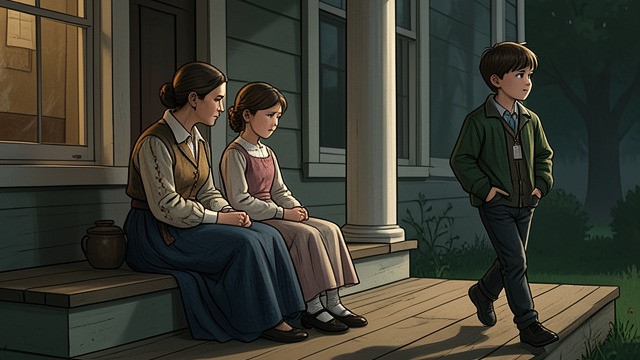
His father leaves soon after the narrator’s birth. When the boy asks about him, his mother and Aniela exchange glances and change the subject.
A distant image
The child knows only that the man has another family and travels abroad. The absence becomes a family fact that is rarely given words.
Brief Encounters
Brief Encounters
An uneasy visitor
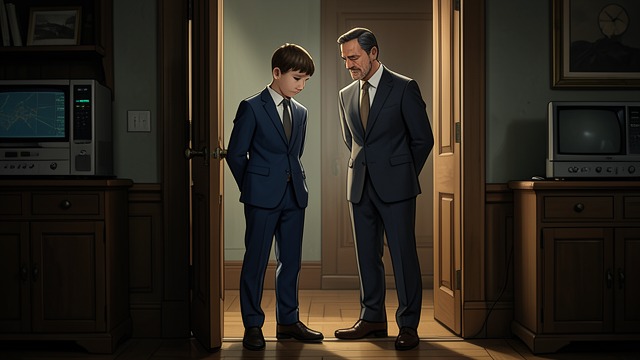
The narrator meets his father a few times and remembers a stout, kind-eyed man with beautifully kept hands. Their relationship is polite but emotionally uncertain.
The son’s guilt
The father’s sadness makes the boy feel he has somehow wronged him, though he cannot identify any offense. The meetings end without clarifying their bond.
News of the Murder
News of the Murder
A brutal report
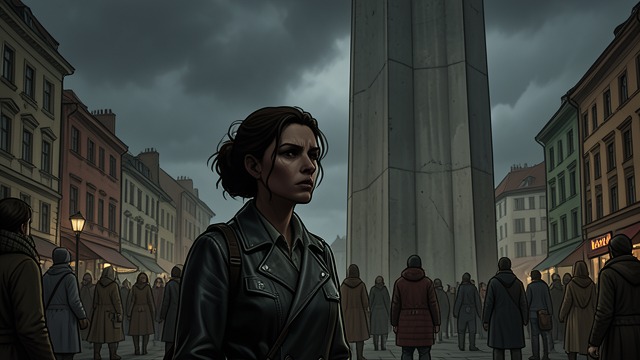
The narrator is told that his father died in a German gas chamber with his wife and two children. The family history is absorbed into the mass violence directed at Jews.
Knowledge at a distance
Because the father was almost a stranger, the news does not initially produce the grief the narrator expects such a fact to demand.
The Letter in Paris

The Letter in Paris
A correction of the story
After winning the Prix Goncourt for The Roots of Heaven, the narrator receives a letter explaining that his father died of fright before reaching the gas chamber.
A changed relationship
The account does not lessen the horror. Instead, the father becomes real to the narrator through the final terror of his death.
A Father at Last
A Father at Last
An empty response
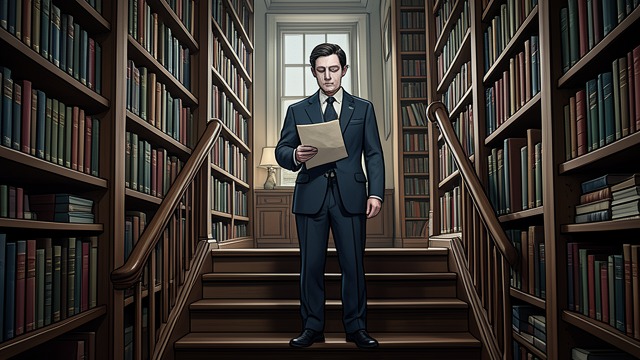
He stands on the publishing house staircase holding the letter, unable to feel or think clearly. His honors and official titles seem meaningless beside the news.
A claim of kinship
He later says that the man truly became his father on that day. Recognition arrives not through shared life but through the truth of his death.
The narrator’s early childhood
Before the war
During the Second World War
1958
Immediately after reading the letter
